
Pico Laser for Freckles and Sun Spots in Gangnam, Seoul
Pico laser for pigmentation uses targeted, higher-energy picosecond pulses to break up distinct spots such as freckles and sun spots, usually in one to a few sessions with a short crusting phase. At The Heal Dermatology Sinsa Main Branch in Gangnam, Seoul, a board-certified dermatologist first confirms each spot is benign and suitable.
Written by The Heal Dermatology medical content team · Pending review by a board-certified dermatologist · Updated October 2026
How it works
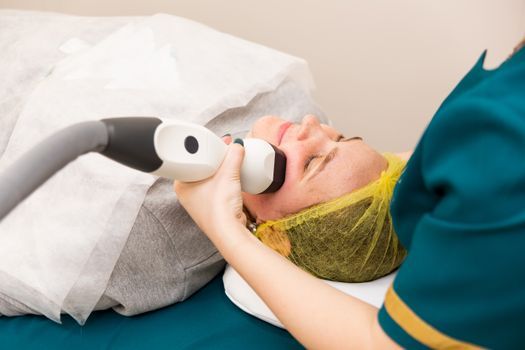
Unlike broad, low-energy pico toning, spot treatment focuses picosecond pulses on individual pigmented lesions at higher fluence. The pigment is fragmented and the treated spot typically darkens, forms a thin crust and flakes away over about one to two weeks. The surrounding skin is largely spared, which keeps overall recovery short.
Who it's for
It is generally used for freckles, sun spots (lentigines) and some other well-defined brown marks. Melasma is usually not treated this way because strong energy can worsen it. Any changing or irregular spot is examined first, since it may need a biopsy rather than laser.
What to expect at The Heal Sinsa
Every visit to The Heal Dermatology Sinsa Main Branch, on the 7th floor of Sinsa Square near Sinsa Station, starts with a 1:1 consultation with a Korean board-certified dermatologist and imaging-based skin analysis. Your doctor checks whether Pico Laser for Pigmentation actually suits your concern, explains alternatives honestly, and chooses conservative settings. Treatment is done in a private single room, and English or Traditional Chinese support is available on request. Before your visit, note your current medicines, skincare products, allergies and previous procedures so the doctor can plan safely. Pricing is confirmed after consultation; see pricing and payment.
Sessions & downtime
- Sessions: often 1–3, spaced about 4–8 weeks apart
- Treatment time: about 10–20 minutes depending on spot count
- Comfort: numbing cream is usually applied
- Downtime: small crusts or darkened spots for roughly 7–14 days
- Aftercare: keep crusts intact, use protective dressings if advised, and use daily sunscreen
Risks & who should avoid
Side effects can include redness, swelling, crusting, temporary darkening (post-inflammatory hyperpigmentation), lighter spots and, rarely, scarring or recurrence. Darker skin types and tanned skin carry a higher risk of pigment change. Avoid during pregnancy, with active infection, recent sun exposure, or isotretinoin use unless your dermatologist advises otherwise. If you notice increasing pain, spreading redness, blistering, discharge or fever after treatment, contact the clinic promptly and read what to do if complications occur.
Planning around your trip to Seoul
Plan this early in your trip so crusts can begin to heal before you fly, and expect visible small scabs for about a week. Bring a hat and strong sunscreen. Read treatment before a flight and how many days to plan, and visit international patients or getting here before you book.
Related
Frequently asked questions
How long do scabs last after pico spot treatment?
Small crusts typically form within a day or two and fall off on their own in about one to two weeks. Picking them can increase the risk of marks, so leave them alone and follow the protective dressing and sunscreen advice your dermatologist gives.
Can freckles come back after pico laser?
Yes. Freckles and sun spots can return or new ones can appear with ongoing sun exposure, because the tendency to form them remains. Daily broad-spectrum sunscreen, hats and occasional touch-up treatments help keep results longer.
Is pico laser the same as pico toning?
They use the same type of laser but different settings. Pico toning spreads low energy across the face for overall tone, while spot treatment aims stronger pulses at individual lesions. Your dermatologist chooses the approach based on the type of pigment.
Treated by Korean board-certified dermatologists
At The Heal Dermatology, every consultation and procedure is performed or directly supervised by a dermatology specialist (피부과 전문의). Why board certification matters · Meet our doctors · International patient guide · All treatments
Branches: Sinsa (Main) · Jamsil · Dongdaemun · Mapo-Gongdeok
This page is general medical information and does not replace an in-person consultation. Suitability, number of sessions and results vary by individual.