
How Close to Your Flight Can You Have Skin Treatment in Seoul?
Light treatments such as toning lasers or Botox are often possible 1–2 days before flying, while fillers, lifting energy devices and resurfacing lasers are better done 3–7 or more days ahead so a check-up can happen. At The Heal Dermatology Sinsa Main Branch in Gangnam, Seoul, your dermatologist schedules treatment around your departure date.
Written by The Heal Dermatology medical content team · Pending review by a board-certified dermatologist · Updated October 2026
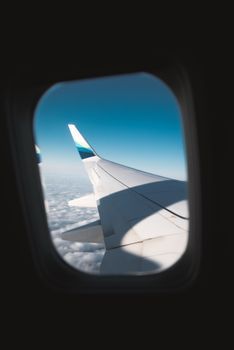
The general principle
Air travel itself does not usually damage treated skin, but long flights involve dry cabin air, prolonged sitting, pressure changes, limited ability to apply aftercare and no easy access to your clinic. The more invasive the treatment, the more buffer time is sensible before you fly.
Typical buffers before departure
- Laser toning / Pico toning: often 1–2 days.
- Botox: often 1–2 days; avoid pressing or lying flat for several hours after injection.
- Skin boosters and Rejuran: around 2–3 days, as small bumps usually settle in this time.
- Dermal fillers: ideally 3–5 days so a check can be done; see flying after filler.
- RF/HIFU lifting: around 2–3 days.
- Fractional or resurfacing lasers: about 7 days or more.
These are typical ranges. Your dermatologist may advise differently depending on your skin and the intensity used.
What to expect at The Heal Sinsa
At The Heal Dermatology Sinsa Main Branch, tell the team your departure date when booking. A board-certified dermatologist will sequence your treatments so higher-downtime procedures happen first, and may suggest a gentler option if time is short. Pricing is confirmed after consultation; see pricing and payment.
Flying comfortably after treatment
- Keep skin moisturised; use a gentle cream or the products your clinic recommends.
- Stay hydrated and limit alcohol on the flight.
- Avoid pressing on treated areas with eye masks or neck pillows.
- Wear sunscreen; window-seat UV still reaches the skin.
- Carry your aftercare instructions and clinic contact details.
Warning signs
Seek medical advice promptly for increasing pain, spreading redness, blistering, skin colour change, or visual symptoms after filler. Read what to do if complications occur.
Planning around your trip to Seoul
Plan treatment early in your trip and keep the last day free. See how many days to plan.
Questions to ask your dermatologist
Ask how many days you should leave before boarding, whether a check-up is advisable before departure, which symptoms during or after the flight need attention and how to contact the clinic from home. If your flight is very soon, ask whether a lower-downtime alternative makes more sense for this trip.
Related
Frequently asked questions
Can I have a laser treatment the day before I fly?
For gentle toning lasers, many patients do. For fractional or resurfacing lasers, flying the next day is not ideal because the skin is still healing. Ask your dermatologist what suits your treatment.
Does cabin pressure affect fillers or Botox?
There is limited evidence that normal cabin pressure harms results, but flying soon after injections can increase swelling or discomfort and makes it harder to get help, so a buffer is sensible.
What should I pack for the flight home after treatment?
Bring a gentle moisturiser, sunscreen, your aftercare instructions, any prescribed medicines and the clinic's contact details. Avoid new skincare products until your skin has recovered. A hat and sunglasses are also helpful.
Planning skin treatment in Seoul?
The Heal Dermatology Sinsa Main Branch is led by Korean board-certified dermatologists. International patient guide · All patient guides · Treatments · Our doctors
Branches: Sinsa (Main) · Jamsil · Dongdaemun · Mapo-Gongdeok
General information only; it does not replace a consultation with a dermatologist.