
When and How Should You Use Sunscreen After Laser Treatment in Seoul?
Start broad-spectrum SPF 30–50 sunscreen as soon as your dermatologist allows, usually the next day for gentle lasers or once the skin has closed after resurfacing, and reapply every 2–3 hours outdoors. At The Heal Dermatology Sinsa Main Branch in Gangnam, Seoul, you receive aftercare instructions specific to your treatment.
Written by The Heal Dermatology medical content team · Pending review by a board-certified dermatologist · Updated October 2026
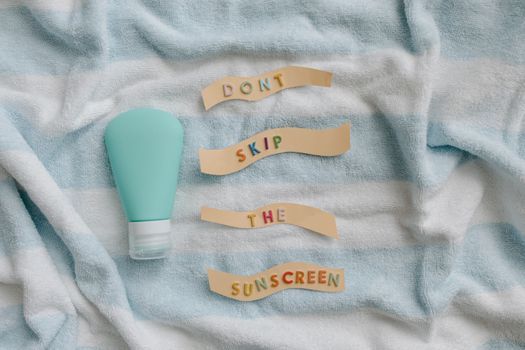
Why sun protection matters after laser
Lasers and light treatments temporarily make the skin more sensitive. UV exposure during healing can increase redness and raise the risk of post-inflammatory hyperpigmentation, especially in medium and darker skin types and in people with melasma. Sunscreen is one of the simplest ways to protect your results.
When to start
- Gentle toning lasers: often from the same day or the next morning, if your dermatologist agrees.
- Potenza or microneedle RF: usually once the tiny channels have closed, often after 24 hours.
- Fractional or resurfacing lasers: typically once the skin surface has closed, which can take several days; physical protection (hat, shade) comes first.
Always follow the instructions you receive for your specific treatment.
How to choose and use it
- Broad-spectrum SPF 30–50 with UVA protection.
- Mineral (zinc oxide or titanium dioxide) formulas are often better tolerated on sensitive skin.
- Fragrance-free, simple formulas reduce irritation.
- Apply generously and reapply every 2–3 hours outdoors.
- Add a wide-brimmed hat, sunglasses and shade.
What to expect at The Heal Sinsa
At The Heal Dermatology Sinsa Main Branch, your board-certified dermatologist gives written aftercare that includes when to restart sunscreen and which products to avoid. For pigment concerns such as melasma, sun protection is a core part of the plan. Pricing is confirmed after consultation; see pricing and payment.
Who should be extra careful
People with melasma, a history of post-inflammatory pigmentation, darker skin types, or those taking photosensitising medicines should be especially strict with sun protection. See laser safety for darker skin.
Planning around your trip to Seoul
Seoul summers are bright and humid, and spring can be hazy with fine dust. Carry sunscreen when sightseeing, and choose indoor activities for the first days after stronger lasers. See choosing a season for treatment.
Common mistakes
Applying too little sunscreen, forgetting to reapply after sweating, relying on makeup with SPF alone, and skipping protection on cloudy days are common reasons pigment returns after laser. Using strong exfoliating or fragranced sunscreens on freshly treated skin can also cause stinging. Keep it simple and consistent.
Related
Frequently asked questions
Can I use Korean sunscreen after laser?
Often yes, once your dermatologist approves. Choose a simple, fragrance-free, broad-spectrum formula. Avoid products with strong actives or exfoliants while your skin is healing. Patch-test new products on a small area first.
Is SPF 50 better than SPF 30 after laser?
Both protect well when applied properly. Applying enough and reapplying regularly matters more than the number. Many dermatologists suggest SPF 50 for intense outdoor exposure. Add a hat and shade outdoors.
Do I need sunscreen indoors or on the plane?
UVA passes through windows, so sunscreen is sensible if you sit near windows or on a daytime flight, especially after pigment lasers. A light layer in the morning is usually enough indoors away from windows.
Planning skin treatment in Seoul?
The Heal Dermatology Sinsa Main Branch is led by Korean board-certified dermatologists. International patient guide · All patient guides · Treatments · Our doctors
Branches: Sinsa (Main) · Jamsil · Dongdaemun · Mapo-Gongdeok
General information only; it does not replace a consultation with a dermatologist.