
When Is a Good Season for Skin Treatment in Korea?
Autumn and winter are often preferred for pigment and resurfacing lasers because UV exposure is lower, while injectables and many lifting treatments can be done year-round with sun care. At The Heal Dermatology Sinsa Main Branch in Gangnam, Seoul, a dermatologist adapts plans to the season and your travel.
Written by The Heal Dermatology medical content team · Pending review by a board-certified dermatologist · Updated October 2026
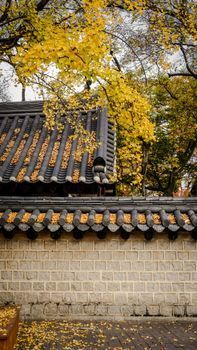
How seasons affect treatment
Korea has four distinct seasons: humid summers with strong sun, dry cold winters, and milder spring and autumn. Season matters most for treatments where sun exposure increases the risk of pigmentation, such as pigment lasers, resurfacing and peels. Injectables and many lifting treatments are less affected but still benefit from sun care.
Season by season
- Autumn (around September–November): mild temperatures and lower UV than summer; often a popular time for lasers.
- Winter (around December–February): lower UV and indoor time help pigment and resurfacing treatments; air is dry, so moisturise well.
- Spring (around March–May): pleasant weather but rising UV and occasional fine dust; sun protection matters.
- Summer (around June–August): heat, humidity and strong UV; gentle treatments are possible with strict sun care, while aggressive resurfacing is often scheduled for cooler months.
These are general patterns; your skin type, treatment and home climate also matter.
What to expect at The Heal Sinsa
At The Heal Dermatology Sinsa Main Branch, a board-certified dermatologist considers the season, your travel plans and your home climate when choosing treatments and settings. For example, a patient returning to a sunny climate may be advised to choose gentler options. Pricing is confirmed after consultation; see pricing and payment.
Your home climate matters too
If you live somewhere hot and sunny, your skin will face strong UV after you fly home. Discuss this with your dermatologist, as it may affect which lasers are appropriate and how aggressive treatment should be. See the guide for Southeast Asian patients.
Key facts
- Pigment lasers and resurfacing are often preferred in cooler, lower-UV months.
- Injectables and lifting can be done year-round with sun care.
- Winter dryness calls for extra moisturiser after treatment.
Planning around your trip to Seoul
Holiday periods such as Lunar New Year and Chuseok can affect clinic schedules; confirm opening days in advance. See how many days to plan and sunscreen after laser.
Questions to ask your dermatologist
Ask whether your planned treatment is affected by season, how to protect results in your home climate, and whether a gentler or different option would suit the time of year you can travel.
Related
Frequently asked questions
Can I have laser treatment in summer in Seoul?
Gentle lasers can be done in summer with strict sun protection. More aggressive resurfacing or pigment treatments are often scheduled for cooler, lower-UV months to reduce the risk of dark marks.
Is winter a good time for skin treatment in Korea?
Winter is often popular for pigment and resurfacing lasers because UV exposure is lower. The air is dry, so moisturising well after treatment is important to support healing and comfort.
Does fine dust in spring affect treated skin?
Fine dust can irritate sensitive or freshly treated skin. Cleansing gently in the evening, using a barrier cream and wearing a mask outdoors on high-dust days can help. Check air quality forecasts.
Planning skin treatment in Seoul?
The Heal Dermatology Sinsa Main Branch is led by Korean board-certified dermatologists. International patient guide · All patient guides · Treatments · Our doctors
Branches: Sinsa (Main) · Jamsil · Dongdaemun · Mapo-Gongdeok
General information only; it does not replace a consultation with a dermatologist.