
How to Care for Your Skin After Laser Toning in Seoul
After laser toning, cleanse gently, moisturise, use daily sunscreen and skip scrubs, retinoids and strong acids for several days. Mild redness usually fades within hours. At The Heal Dermatology Sinsa Main Branch in Gangnam, Seoul, a board-certified dermatologist adjusts toning settings and aftercare to your skin type and pigment concerns.
Written by The Heal Dermatology medical content team · Pending review by a board-certified dermatologist · Updated October 2026
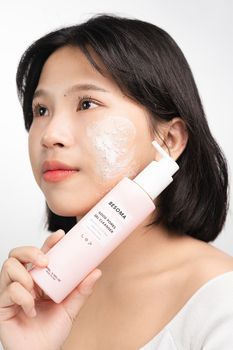
What laser toning does
Laser toning uses low-energy Q-switched or picosecond laser pulses across the face to gradually break down pigment and improve tone. It is often used for melasma, dull skin and uneven tone, usually as a series. Because energy levels are low, downtime is typically minimal, but aftercare still affects results.
Aftercare essentials
- Cleanse gently with lukewarm water and a mild cleanser.
- Moisturise with a simple, fragrance-free cream.
- Use broad-spectrum sunscreen daily and reapply outdoors.
- Pause retinoids, AHA/BHA acids, scrubs and peeling products for several days.
- Avoid saunas, hot baths and intense exercise for the first day or two.
- Do not pick at any small dark specks that appear; they usually flake off.
What is normal
Mild redness or warmth for a few hours is common. Some people notice slight dryness for a day or two. Occasionally, small areas of darker pigment may flake. Persistent burning, blistering or new patches of darkening or lightening are not typical and should be checked.
What to expect at The Heal Sinsa
At The Heal Dermatology Sinsa Main Branch, a board-certified dermatologist chooses toning settings for your skin type and pigment pattern using imaging-based skin analysis, and adjusts the plan across sessions. Pico toning is among the treatments listed by The Heal branches. Pricing is confirmed after consultation; see pricing and payment.
Key facts
- Typical treatment time: around 10–20 minutes.
- Downtime: usually minimal.
- Series: often several sessions 1–4 weeks apart.
- Results: gradual, and maintenance is often needed for melasma.
Risks and who should avoid
Over-treatment can cause rebound pigmentation or pale spots (mottled hypopigmentation), which is why conservative settings matter. Laser toning is usually postponed during pregnancy, with active infection or sunburn, and is approached cautiously with isotretinoin. See melasma laser risks.
Planning around your trip to Seoul
Toning is easy to fit into a trip, but a single session rarely gives the full result. See how many Pico toning sessions.
Questions to ask your dermatologist
Ask how many sessions are planned, how far apart they should be, which products to pause and for how long, and what your skin should look like the next morning. If you will continue treatment at home, request a summary of the device and settings used.
Related
Frequently asked questions
Can I wash my face after laser toning?
Yes. Most people can cleanse the same evening using lukewarm water and a mild cleanser. Pat dry gently and avoid scrubbing, cleansing brushes or exfoliating products for several days. Moisturise afterwards.
When can I restart retinol after laser toning?
Many dermatologists suggest waiting several days to a week, depending on how your skin feels. Restart gradually, and stop if you notice stinging or redness. Follow the instructions you receive at treatment.
Why did dark spots look darker after toning?
Some pigment can look darker for a few days before flaking away, which can be normal. If darkening persists or new patches appear, contact your dermatologist, as settings may need adjusting.
Planning skin treatment in Seoul?
The Heal Dermatology Sinsa Main Branch is led by Korean board-certified dermatologists. International patient guide · All patient guides · Treatments · Our doctors
Branches: Sinsa (Main) · Jamsil · Dongdaemun · Mapo-Gongdeok
General information only; it does not replace a consultation with a dermatologist.