
Laser Toning in Seoul for Melasma and Uneven Skin Tone
Laser toning is a low-fluence Q-switched Nd:YAG laser treatment, repeated over several sessions, that gradually reduces melasma, dullness and uneven tone with minimal downtime. At The Heal Dermatology Sinsa Main Branch in Gangnam, Seoul, a board-certified dermatologist decides whether laser toning or another approach suits your pigment.
Written by The Heal Dermatology medical content team · Pending review by a board-certified dermatologist · Updated October 2026
How it works
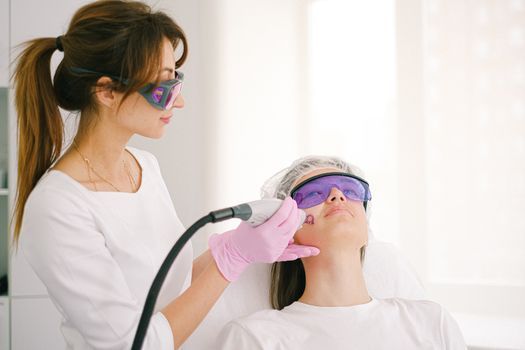
Laser toning typically uses a 1064 nm Q-switched Nd:YAG laser with a large spot size and low energy, passed evenly over the skin. Nanosecond pulses gently break down excess melanin without crusting. Because each session is mild, improvement builds over a course of treatments rather than after one visit.
Who it's for
It is commonly offered for melasma, dull skin and mild diffuse pigmentation, especially in people who cannot take much downtime. Defined freckles or sun spots usually need targeted treatment instead.
What to expect at The Heal Sinsa
Every visit to The Heal Dermatology Sinsa Main Branch, on the 7th floor of Sinsa Square near Sinsa Station, starts with a 1:1 consultation with a Korean board-certified dermatologist and imaging-based skin analysis. Your doctor checks whether Laser Toning actually suits your concern, explains alternatives honestly, and chooses conservative settings. Treatment is done in a private single room, and English or Traditional Chinese support is available on request. Before your visit, note your current medicines, skincare products, allergies and previous procedures so the doctor can plan safely. Pricing is confirmed after consultation; see pricing and payment. Availability of specific devices varies by branch – confirm at consultation.
Sessions & downtime
- Sessions: typically 5–10, about 1–4 weeks apart
- Treatment time: about 10–15 minutes
- Comfort: mild warmth or snapping; numbing is rarely needed
- Downtime: slight redness for a few hours
- Results: gradual, with maintenance and sun protection needed
Risks & who should avoid
Over-frequent or high-energy toning has been linked to mottled light spots (hypopigmentation) and rebound pigment, which is why conservative settings and spacing matter. Temporary redness and dryness are common. Avoid during pregnancy, with active facial infection, sunburn or recent tanning, and discuss isotretinoin or photosensitising medicines first. If you notice increasing pain, spreading redness, blistering, discharge or fever after treatment, contact the clinic promptly and read what to do if complications occur.
Planning around your trip to Seoul
A first session fits into almost any itinerary, and you can usually go sightseeing the same day with sunscreen. A full course requires repeat visits, so many patients continue care at home. Read treatment before a flight and how many days to plan, and visit international patients or getting here before you book.
Related
Frequently asked questions
What is the difference between laser toning and pico toning?
Both are low-energy courses for diffuse pigment. Laser toning commonly uses a nanosecond Q-switched Nd:YAG laser, while pico toning uses picosecond pulses that rely more on photoacoustic effect. Your dermatologist chooses based on your pigment type, skin sensitivity and device availability.
Can laser toning make melasma worse?
It can if sessions are too strong or too frequent, causing rebound darkening or light spots. Conservative settings, adequate spacing, sunscreen and topical care reduce this risk. Tell your doctor if spots darken during a course.
When will I see results from laser toning?
Many people notice a brighter, more even tone after several sessions, typically within one to three months of regular treatment. Melasma tends to recur, so maintenance and daily sun protection are part of the plan.
Treated by Korean board-certified dermatologists
At The Heal Dermatology, every consultation and procedure is performed or directly supervised by a dermatology specialist (피부과 전문의). Why board certification matters · Meet our doctors · International patient guide · All treatments
Branches: Sinsa (Main) · Jamsil · Dongdaemun · Mapo-Gongdeok
This page is general medical information and does not replace an in-person consultation. Suitability, number of sessions and results vary by individual.