
How Many Pico Toning Sessions Do You Need in Seoul?
Pico toning is usually done as a series, often around 5–10 sessions spaced 1–4 weeks apart, depending on the pigment concern. One session rarely gives the full result. At The Heal Dermatology Sinsa Main Branch in Gangnam, Seoul, a dermatologist builds a realistic schedule, including for patients who can only visit occasionally.
Written by The Heal Dermatology medical content team · Pending review by a board-certified dermatologist · Updated October 2026
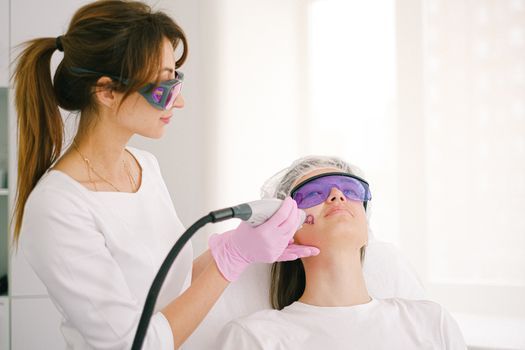
Why Pico toning is done in a series
Pico toning uses picosecond laser pulses at low energy to break pigment into smaller particles that the body clears over time. Because each session is gentle, results build gradually. This conservative approach helps reduce the risk of irritation and rebound pigmentation, especially for melasma.
Typical session ranges
- Dull or uneven tone: often around 3–5 sessions.
- Melasma: commonly 5–10 or more sessions, plus maintenance.
- Freckles or sun spots: sometimes combined with spot laser treatment; sessions vary.
- Spacing: typically every 1–4 weeks.
- Maintenance: some people return every few months, particularly for melasma.
These ranges are typical, not guarantees. Response depends on pigment depth, skin type, sun exposure and hormones.
What to expect at The Heal Sinsa
At The Heal Dermatology Sinsa Main Branch, a board-certified dermatologist examines your pigment with imaging-based skin analysis, explains which type you have and suggests a realistic number of sessions. Pico toning is among the treatments listed by The Heal branches, and the doctor may combine it with other options if appropriate. Pricing is confirmed after consultation; see pricing and payment.
Planning for international patients
If you can only visit occasionally, discuss options such as several sessions spaced across repeat trips, or combining toning with home skincare and strict sun protection between visits. Doing many sessions too close together is not usually recommended. Some patients continue treatment with a qualified dermatologist at home, sharing their records.
Key facts
- Session time: around 10–20 minutes.
- Downtime: usually minimal redness for a few hours.
- Aftercare: gentle skincare and daily sunscreen.
Risks and who should avoid
Possible side effects include temporary redness, dryness, rebound pigmentation or, with aggressive settings, pale spots. Pico toning is usually postponed during pregnancy, with active infection or recent sunburn. See melasma laser risks.
Planning around your trip to Seoul
Book your first session early so your dermatologist can see how your skin responds. See aftercare after laser toning.
Questions to ask your dermatologist
Ask what type of pigmentation you have, how many sessions are realistic, how your progress will be measured and what maintenance might look like. If you travel infrequently, ask how to protect results between visits.
Related
Frequently asked questions
Will one Pico toning session remove my melasma?
It is unlikely. Melasma usually needs a series of gentle sessions plus sun protection and often maintenance. One session may brighten tone slightly, but lasting improvement typically builds over several treatments.
Can I do sessions every few days to finish faster?
This is not usually recommended. Treating too often can irritate the skin and increase the risk of rebound pigmentation. Your dermatologist will suggest safe spacing, commonly one to four weeks apart.
Do results last permanently?
Pigment can return, especially melasma, due to sun exposure, hormones and heat. Daily sunscreen and maintenance sessions help. Your dermatologist can explain what to expect for your type of pigmentation.
Planning skin treatment in Seoul?
The Heal Dermatology Sinsa Main Branch is led by Korean board-certified dermatologists. International patient guide · All patient guides · Treatments · Our doctors
Branches: Sinsa (Main) · Jamsil · Dongdaemun · Mapo-Gongdeok
General information only; it does not replace a consultation with a dermatologist.