
LDM Skin Care in Gangnam, Seoul for Calm, Hydrated Skin
LDM skin care is a painless, non-invasive treatment that uses rapidly alternating ultrasound frequencies to create a micro-massage effect in the skin, helping calm redness and support hydration and recovery. At The Heal Dermatology Sinsa Main Branch in Gangnam, Seoul, a board-certified dermatologist often adds it after lasers as soothing care.
Written by The Heal Dermatology medical content team · Pending review by a board-certified dermatologist · Updated October 2026
How it works
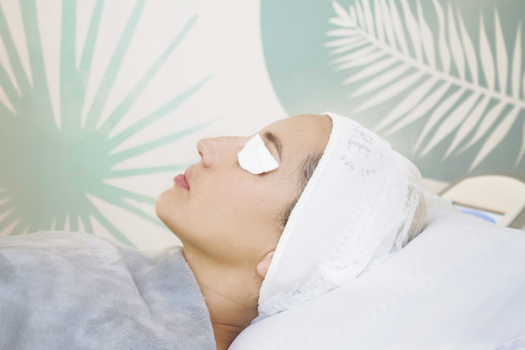
LDM (Local Dynamic Micro-massage) is a non-invasive skin care treatment that uses high-frequency ultrasound that rapidly alternates between frequencies, applied through a handpiece. The rapidly alternating ultrasound waves create a gentle micro-massage effect within the skin, which is used to calm inflammation and redness, support hydration, and help the skin recover after more intensive procedures such as lasers. It is painless and has no downtime.
Who it's for
It is typically considered by people with sensitive skin, facial redness, dehydrated skin, mild acne-related inflammation, or as soothing care right after laser treatments. It is a supportive treatment and does not replace medical therapy for conditions such as rosacea or active acne.
What to expect at The Heal Sinsa
At The Heal Dermatology Sinsa Main Branch, near Sinsa Station and Garosu-gil in Gangnam, your consultation and treatment are carried out 1:1 by a Korean board-certified dermatologist. The dermatologist decides whether LDM is useful on its own or as calming care added to lasers or other procedures. Availability of specific devices and products varies by branch – confirm at consultation. We aim for honest recommendations without overselling, use genuine full-dose products, and treat in private single rooms. English and Traditional Chinese support is available on request. Pricing is confirmed after consultation; see pricing and payment.
Sessions & downtime
- Procedure time: typically 10–20 minutes
- Sensation: gentle warmth or vibration; usually painless
- Sessions: single sessions after procedures or a series every 1–2 weeks
- Results: skin often feels calmer and more hydrated soon after
- Downtime: none; makeup can usually be applied immediately
- Aftercare: moisturiser and sunscreen as part of a gentle routine
Risks & who should avoid
LDM is generally well tolerated, with occasional mild warmth or temporary redness. It is usually avoided over active infection or open wounds, and caution is advised over metal implants in the treatment area, during pregnancy, or with implanted electronic devices. Tell the doctor about any medical conditions and recent procedures.
Planning around your trip to Seoul
With no downtime, LDM fits easily into any day of a trip and is often added right after a laser to help skin settle before flying. See treatment before a flight. See international patients and getting here for practical details.
Related
Frequently asked questions
Does LDM hurt?
No. Most people feel only gentle warmth or a light vibration during LDM, and many find it relaxing. There is no need for numbing cream, and you can return to normal activities immediately afterwards.
What does LDM do after a laser?
After laser treatments, LDM is used to help calm redness and heat and support skin hydration as it recovers. It is a supportive add-on and does not change the main effect of the laser, but many people find skin feels more comfortable.
How often can I have LDM?
LDM can be done as a single session after procedures or as a series, often every one to two weeks, for sensitive or dehydrated skin. Because it is gentle, frequency is flexible, and the dermatologist will suggest a schedule.
Treated by Korean board-certified dermatologists
At The Heal Dermatology, every consultation and procedure is performed or directly supervised by a dermatology specialist (피부과 전문의). Why board certification matters · Meet our doctors · International patient guide · All treatments
Branches: Sinsa (Main) · Jamsil · Dongdaemun · Mapo-Gongdeok
This page is general medical information and does not replace an in-person consultation. Suitability, number of sessions and results vary by individual.