
Dark Circle Treatment in Seoul – Diagnosis by Board-Certified Dermatologists
Dark circles are shadows or discoloration under the eyes caused by pigmentation, visible blood vessels, thin skin or hollowing. At The Heal Dermatology Sinsa Main Branch in Gangnam, Seoul, board-certified dermatologists identify which type you have and may recommend under-eye filler, skin boosters, laser or lifestyle changes accordingly.
Written by The Heal Dermatology medical content team · Pending review by a board-certified dermatologist · Updated October 2026
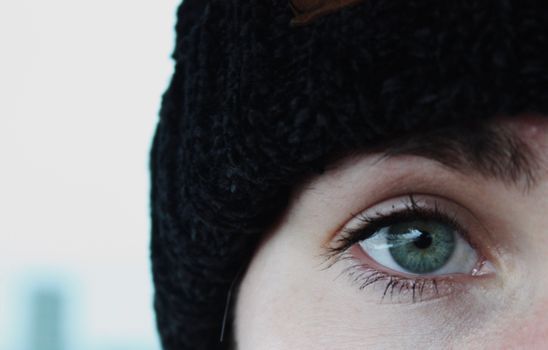
What causes dark circles
Dark circles have several causes that often overlap: inherited pigmentation, thin skin that shows bluish vessels, a tear trough hollow that casts a shadow, puffiness, rubbing due to allergies or atopic dermatitis, and lack of sleep. Ageing adds volume loss and skin thinning.
How a dermatologist diagnoses it
A dermatologist examines the under-eye area in different lighting, gently stretches the skin to see whether the colour persists (pigment) or fades (shadow or vessels), and uses imaging-based skin analysis. Allergies, eczema or thyroid issues may also be considered.
Treatment options at The Heal Sinsa
Treatment depends on type. Hollowing may be improved with under-eye filler; thin, crepey skin with Rejuran Eye or skin boosters; and pigmentation with gentle pico toning. Availability of specific devices varies by branch – confirm at consultation. Under-eye filler requires careful technique by an experienced doctor. Every plan starts with a 1:1 consultation with a Korean board-certified dermatologist and imaging-based skin analysis; you will not be pushed toward treatment you do not need. Pricing is confirmed after consultation; see pricing and payment.
Sessions, downtime & side effects
- Filler: usually one session; swelling or bruising for several days
- Skin boosters: typically two to three sessions, 2–4 weeks apart
- Pigment toning: several sessions, minimal downtime
- Risks include bruising, lumps, swelling and, rarely, vascular complications with filler
Home care
Get enough sleep, manage allergies, avoid rubbing your eyes, and use sunscreen and sunglasses. A gentle eye cream with caffeine or vitamin C may help a little. Cool compresses can reduce morning puffiness.
When to see a doctor
See a doctor if dark circles appear suddenly, affect one eye only, come with swelling, pain or vision changes, or are accompanied by fatigue or other symptoms that could suggest an underlying medical problem.
Planning around your trip to Seoul
Allow at least a week for any bruising after filler before important photos, and check our flying after filler guide. The clinic is on the 7th floor of Sinsa Square near Sinsa Station, close to Garosu-gil (getting here), and English support is available on request (international patients).
Related
Frequently asked questions
Can creams get rid of dark circles?
Creams may slightly improve pigmentation or puffiness, but they cannot fill a hollow or thicken thin skin significantly. A dermatologist can identify your type of dark circle and explain which medical options are realistic for you.
Is under-eye filler safe?
In experienced hands it is generally safe, but the area is delicate. Possible side effects include bruising, swelling, lumps and a bluish tint, plus rare vascular complications. It is not suitable for everyone, especially people with significant puffiness.
How long do results last?
It depends on the treatment. Under-eye filler often lasts around a year, skin booster results usually need maintenance every few months, and pigment improvement depends on sun protection. Your dermatologist will advise based on your plan.
Diagnosed by Korean board-certified dermatologists
Skin conditions that look alike often need different treatments. At The Heal Dermatology, diagnosis is made by a dermatology specialist (피부과 전문의). Why board certification matters · Meet our doctors · All conditions · Treatments
Branches: Sinsa (Main) · Jamsil · Dongdaemun · Mapo-Gongdeok
This page is general medical information and does not replace an in-person consultation.