
Atopic Dermatitis Treatment in Seoul – Diagnosis by Board-Certified Dermatologists
Atopic dermatitis is a chronic, itchy inflammatory skin condition with dry, red, sometimes oozing or thickened patches, often starting in childhood and linked to allergies and asthma. At The Heal Dermatology Sinsa Main Branch in Gangnam, Seoul, board-certified dermatologists confirm the diagnosis, identify triggers and plan medical treatment and skincare to control flares.
Written by The Heal Dermatology medical content team · Pending review by a board-certified dermatologist · Updated October 2026
What causes atopic dermatitis
Atopic dermatitis involves a genetically weaker skin barrier and an overactive immune response. Triggers include dry air, sweating, heat, harsh soaps, fragrances, wool, stress, dust mites and sometimes food or pollen allergies. It often occurs alongside asthma and hay fever.
How a dermatologist diagnoses it
Diagnosis is clinical, based on the typical itch, pattern of patches (such as elbow and knee creases, neck and face) and personal or family history of allergies. A dermatologist may check for infection and, if needed, suggest allergy testing. Other conditions such as contact dermatitis or psoriasis are excluded.
Treatment options at The Heal Sinsa
Treatment is medical and stepwise: regular emollients, topical anti-inflammatory creams, and for moderate to severe disease, phototherapy or systemic and newer targeted medicines, with referral where needed. Once flares are controlled, gentle supportive care such as LDM skin care may help comfort. Cosmetic procedures are generally avoided on active patches. Availability of specific devices varies by branch – confirm at consultation. Every plan starts with a 1:1 consultation with a Korean board-certified dermatologist and imaging-based skin analysis; you will not be pushed toward treatment you do not need. Pricing is confirmed after consultation; see pricing and payment.
Sessions, downtime & side effects
- Topical treatment often settles flares within one to two weeks
- Long-term emollient use reduces flare frequency
- Steroid creams are safe when used as directed; overuse can thin skin
- Infection signs such as crusting or pus need prompt review
Home care
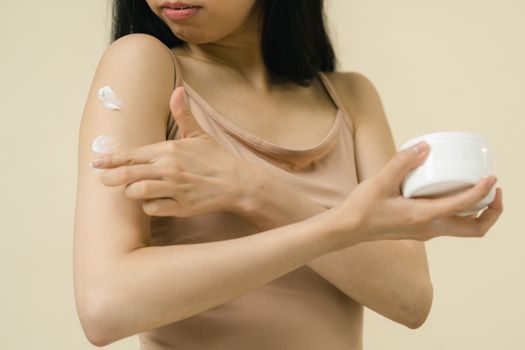
Moisturise generously at least twice daily and straight after bathing. Use short lukewarm showers, soap-free cleansers and soft cotton clothing. Keep nails short, identify personal triggers, and follow your treatment plan even when skin looks better.
When to see a doctor
See a dermatologist if itching disturbs sleep, patches spread, skin becomes infected (yellow crusts, pus, painful blisters), or over-the-counter care does not help. Painful clustered blisters need urgent assessment.
Planning around your trip to Seoul
Seoul's dry winters and humid summers can both trigger flares; bring your usual emollients and prescriptions, and request medical records in English if you start new treatment. The clinic is on the 7th floor of Sinsa Square near Sinsa Station, close to Garosu-gil (getting here), and English support is available on request (international patients).
Related
Frequently asked questions
Is atopic dermatitis the same as eczema?
Atopic dermatitis is the most common type of eczema. Eczema is a broader term that includes other types, such as contact and hand eczema. A dermatologist can confirm which type you have, since triggers and treatment can differ.
Can atopic dermatitis be cured?
There is no permanent cure, but most people can achieve good control with consistent skincare and appropriate medical treatment. Many children improve as they grow, although some continue to have symptoms into adulthood.
Can I have cosmetic treatments with atopic dermatitis?
Procedures are usually avoided on active eczema patches because of irritation and infection risk. When skin is well controlled, some treatments may be possible with care. Your dermatologist will advise what is safe for you.
Diagnosed by Korean board-certified dermatologists
Skin conditions that look alike often need different treatments. At The Heal Dermatology, diagnosis is made by a dermatology specialist (피부과 전문의). Why board certification matters · Meet our doctors · All conditions · Treatments
Branches: Sinsa (Main) · Jamsil · Dongdaemun · Mapo-Gongdeok
This page is general medical information and does not replace an in-person consultation.