
Mole Removal in Gangnam, Seoul by Board-Certified Dermatologists
Mole removal is the removal of a benign mole by laser, shave or surgical excision after a dermatologist confirms it is suitable, typically with one to two weeks of wound healing. At The Heal Dermatology Sinsa Main Branch in Gangnam, Seoul, a board-certified dermatologist examines each mole first and refers suspicious lesions for biopsy.
Written by The Heal Dermatology medical content team · Pending review by a board-certified dermatologist · Updated October 2026
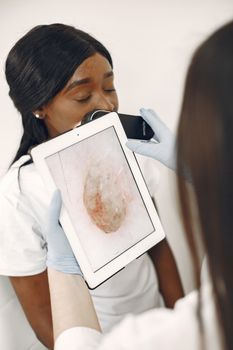
How it works
Small, flat benign moles are often treated with a CO2 laser that vaporises the pigmented cells layer by layer. Raised or larger moles may be removed by shave or excision, sometimes with stitches. Any mole with worrying features should be removed whole and sent for pathology rather than vaporised.
Who it's for
It is suited to people with benign moles that are cosmetically bothersome or irritated by clothing or shaving. Moles that change in size, shape or colour, bleed, itch or look different from others need medical assessment first.
What to expect at The Heal Sinsa
Every visit to The Heal Dermatology Sinsa Main Branch, on the 7th floor of Sinsa Square near Sinsa Station, starts with a 1:1 consultation with a Korean board-certified dermatologist and imaging-based skin analysis. Your doctor checks whether Mole Removal actually suits your concern, explains alternatives honestly, and chooses conservative settings. Treatment is done in a private single room, and English or Traditional Chinese support is available on request. Before your visit, note your current medicines, skincare products, allergies and previous procedures so the doctor can plan safely. Pricing is confirmed after consultation; see pricing and payment. Availability of specific devices varies by branch – confirm at consultation.
Sessions & downtime
- Sessions: usually 1; deep moles may need a touch-up
- Treatment time: minutes per mole
- Comfort: local anaesthetic or numbing cream
- Downtime: a small wound or scab for about 7–14 days; pinkness can last weeks
- Aftercare: wound dressing, moisture and strict sun protection
Risks & who should avoid
Possible effects include scarring, a dent or raised scar, pigment change, infection and recurrence if cells remain. Keloid-prone skin needs caution. Avoid elective removal during active infection, and tell your dermatologist about pregnancy, blood thinners, and any history of skin cancer. If you notice increasing pain, spreading redness, blistering, discharge or fever after treatment, contact the clinic promptly and read what to do if complications occur.
Planning around your trip to Seoul
Have mole removal early in your stay so the wound can be checked before you fly, and bring hydrocolloid dressings and sunscreen. Avoid saunas and swimming until the area heals. Read treatment before a flight and how many days to plan, and visit international patients or getting here before you book.
Related
Frequently asked questions
Is laser mole removal safe?
Laser removal can be appropriate for small moles a dermatologist judges to be benign. It does not provide tissue for testing, so any suspicious mole should be excised and examined. The doctor's examination is the most important safety step.
Will a mole come back after removal?
Some moles recur if pigmented cells deep in the skin remain, especially after laser or shave removal. A touch-up may be needed. If a removed mole reappears with irregular features, have it checked.
How long does healing take after mole removal?
Most small wounds heal in about one to two weeks. Keep the area moist with a dressing, avoid picking scabs and use sunscreen for several months to reduce pigment change and visible scarring.
Treated by Korean board-certified dermatologists
At The Heal Dermatology, every consultation and procedure is performed or directly supervised by a dermatology specialist (피부과 전문의). Why board certification matters · Meet our doctors · International patient guide · All treatments
Branches: Sinsa (Main) · Jamsil · Dongdaemun · Mapo-Gongdeok
This page is general medical information and does not replace an in-person consultation. Suitability, number of sessions and results vary by individual.