
Stretch Mark Treatment in Seoul – Diagnosis by Board-Certified Dermatologists
Stretch marks (striae) are linear scars that form when skin stretches quickly, appearing red or purple at first and fading to pale, silvery lines. At The Heal Dermatology Sinsa Main Branch in Gangnam, Seoul, board-certified dermatologists assess whether marks are new or mature and may use vascular laser, microneedle RF or fractional laser to improve colour and texture.
Written by The Heal Dermatology medical content team · Pending review by a board-certified dermatologist · Updated October 2026
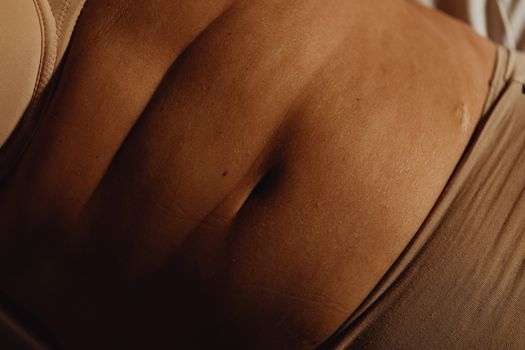
What causes stretch marks
Stretch marks develop when rapid stretching from growth spurts, pregnancy, weight gain or muscle building damages collagen and elastin in the dermis. Genetics, hormones and long-term steroid use increase the risk. Common sites include the abdomen, breasts, hips, thighs and upper arms.
How a dermatologist diagnoses it
A dermatologist examines the colour, width and texture of the marks. Red or purple (early) striae respond differently from white (mature) striae. Sudden widespread purple stretch marks without an obvious cause may prompt checks for hormonal conditions such as Cushing's syndrome.
Treatment options at The Heal Sinsa
Early red marks may improve with vascular laser or Excel V. Mature white marks may respond to Potenza or Sylfirm X microneedle RF, fractional CO2 laser or Fraxel. Combination plans are common. Availability of specific devices varies by branch – confirm at consultation. Every plan starts with a 1:1 consultation with a Korean board-certified dermatologist and imaging-based skin analysis; you will not be pushed toward treatment you do not need. Pricing is confirmed after consultation; see pricing and payment.
Sessions, downtime & side effects
- Typically three to six sessions, about 4–6 weeks apart
- Redness and mild swelling for a few days; fractional laser may cause crusting
- Improvement is gradual and partial, not complete removal
- Laser and RF are usually postponed during pregnancy and breastfeeding
Home care
Moisturise regularly, maintain a steady weight where possible, and protect marks from sun to avoid darkening during treatment. Topical retinoids may help early marks but must not be used during pregnancy.
When to see a doctor
See a dermatologist if stretch marks appear suddenly and widely without weight change, are very purple, or occur with other symptoms such as weight gain in the face or trunk, high blood pressure or easy bruising.
Planning around your trip to Seoul
Body treatments can leave redness under clothing for a few days; check our downtime guide and pregnancy and treatments before booking. The clinic is on the 7th floor of Sinsa Square near Sinsa Station, close to Garosu-gil (getting here), and English support is available on request (international patients).
Related
Frequently asked questions
Can stretch marks be removed completely?
Complete removal is rarely possible. Treatments can make marks less noticeable by improving colour, width and texture. Early red marks generally respond better than older white ones, so starting sooner can help.
Do creams prevent stretch marks?
Evidence for creams preventing stretch marks is limited, although moisturising may improve comfort and some ingredients may help early marks. Genetics and how quickly skin stretches play a larger role than topical products.
Can I treat stretch marks during pregnancy?
Lasers, RF and retinoids are usually postponed until after pregnancy and breastfeeding. Gentle moisturising is fine during pregnancy. A dermatologist can plan treatment afterwards, when marks are often still red and more responsive.
Diagnosed by Korean board-certified dermatologists
Skin conditions that look alike often need different treatments. At The Heal Dermatology, diagnosis is made by a dermatology specialist (피부과 전문의). Why board certification matters · Meet our doctors · All conditions · Treatments
Branches: Sinsa (Main) · Jamsil · Dongdaemun · Mapo-Gongdeok
This page is general medical information and does not replace an in-person consultation.