
Keloid and Raised Scar Treatment in Seoul – Diagnosis by Board-Certified Dermatologists
Keloids and hypertrophic scars are raised scars caused by excess collagen during healing. Hypertrophic scars stay within the wound area and may flatten over time, while keloids grow beyond the original wound. At The Heal Dermatology Sinsa Main Branch in Gangnam, Seoul, board-certified dermatologists diagnose the scar type and combine injections, laser and pressure or silicone therapy.
Written by The Heal Dermatology medical content team · Pending review by a board-certified dermatologist · Updated October 2026
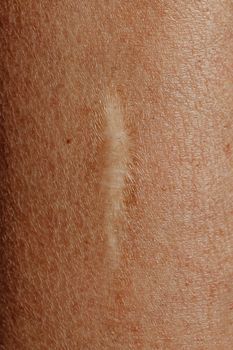
What causes keloids and hypertrophic scars
Raised scars form after surgery, piercings, acne, burns, vaccinations or minor injuries, especially when wounds are under tension or become infected. Keloids have a strong genetic tendency and are more common in darker skin types and on the chest, shoulders, earlobes and jawline.
How a dermatologist diagnoses it
A dermatologist examines the scar's size, shape, colour and borders, asks how long it has been present and whether it is growing, itchy or painful. Distinguishing keloids from hypertrophic scars matters, because keloids are more likely to recur after treatment. Unusual lesions may be biopsied to exclude other growths.
Treatment options at The Heal Sinsa
Common options include steroid injections to flatten and soften scars, vascular laser for redness, fractional laser for texture, and silicone gel or sheets. Botox is sometimes used to reduce tension around new wounds. Surgical removal of keloids is combined with other treatments to reduce recurrence. Availability of specific devices varies by branch – confirm at consultation. Every plan starts with a 1:1 consultation with a Korean board-certified dermatologist and imaging-based skin analysis; you will not be pushed toward treatment you do not need. Pricing is confirmed after consultation; see pricing and payment.
Sessions, downtime & side effects
- Steroid injections are usually repeated every 4–6 weeks for several sessions
- Possible side effects include skin thinning, lightening or visible vessels
- Laser sessions cause mild redness for a few days
- Keloids can recur, so long-term follow-up is important
Home care
Use silicone gel or sheets daily as advised, protect scars from sun, and avoid unnecessary piercings or cosmetic surgery if you are prone to keloids. Treat acne early to prevent chest and back scarring.
When to see a doctor
See a dermatologist if a scar is growing, itchy, painful, red, or extending beyond the original wound. Early treatment of a developing raised scar is usually more effective than treating an older one.
Planning around your trip to Seoul
Raised scar treatment needs a series of sessions, so a trip can start a plan; ask about follow-up after returning home and laser safety for darker skin. The clinic is on the 7th floor of Sinsa Square near Sinsa Station, close to Garosu-gil (getting here), and English support is available on request (international patients).
Related
Frequently asked questions
What is the difference between a keloid and a hypertrophic scar?
A hypertrophic scar stays within the original wound and often improves over months, while a keloid spreads beyond the wound edges and rarely regresses on its own. Keloids are also more likely to return after treatment.
Can keloids be removed surgically?
Surgery alone often leads to recurrence, sometimes larger than before. When surgery is used, it is usually combined with steroid injections, pressure or other therapies afterwards. Your dermatologist will discuss whether surgery is appropriate for you.
Are steroid injections for scars safe?
They are a standard and generally safe treatment when given by a dermatologist. Possible side effects include skin thinning, lightening and visible small vessels at the site. Doses and intervals are adjusted to reduce these risks.
Diagnosed by Korean board-certified dermatologists
Skin conditions that look alike often need different treatments. At The Heal Dermatology, diagnosis is made by a dermatology specialist (피부과 전문의). Why board certification matters · Meet our doctors · All conditions · Treatments
Branches: Sinsa (Main) · Jamsil · Dongdaemun · Mapo-Gongdeok
This page is general medical information and does not replace an in-person consultation.