
PIH Treatment in Seoul – Diagnosis by Board-Certified Dermatologists
Post-inflammatory hyperpigmentation (PIH) is the brown or dark mark left after skin inflammation or injury, such as acne, eczema, burns or harsh treatments. At The Heal Dermatology Sinsa Main Branch in Gangnam, Seoul, board-certified dermatologists identify the cause, calm ongoing inflammation and fade marks with topical care and gentle laser options.
Written by The Heal Dermatology medical content team · Pending review by a board-certified dermatologist · Updated October 2026
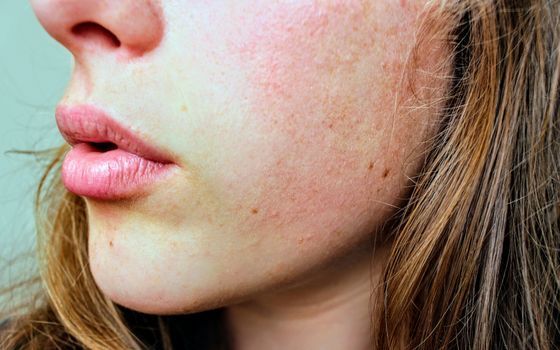
What causes post-inflammatory hyperpigmentation
Any inflammation, including acne, insect bites, eczema, cuts, burns, waxing or harsh peels, can prompt pigment cells to release excess melanin. PIH is more common and longer-lasting in medium to darker skin types and is worsened by sun exposure and picking.
How a dermatologist diagnoses it
A dermatologist confirms PIH from the history and appearance, and uses imaging-based skin analysis to judge depth and distinguish brown PIH from red post-inflammatory erythema, melasma or acne scars. Treating the underlying cause, such as active acne, comes first.
Treatment options at The Heal Sinsa
Many cases fade on their own over months with sun protection. To speed this up, a dermatologist may suggest prescription topicals, a gentle chemical peel, laser toning or pico toning at low energy. Aggressive treatments are avoided because they can cause new PIH. Availability of specific devices varies by branch – confirm at consultation. Every plan starts with a 1:1 consultation with a Korean board-certified dermatologist and imaging-based skin analysis; you will not be pushed toward treatment you do not need. Pricing is confirmed after consultation; see pricing and payment.
Sessions, downtime & side effects
- Superficial PIH often fades over 3–12 months; deeper marks take longer
- Toning is typically repeated every 2–4 weeks over several sessions
- Downtime is usually minimal
- Risks include irritation and, if settings are too strong, further darkening
Home care
Wear sunscreen daily, avoid picking spots or scabs, and use gentle, non-irritating products. Ingredients such as niacinamide or azelaic acid may help, but introduce one product at a time and stop if irritation occurs.
When to see a doctor
See a dermatologist if marks persist beyond several months, keep appearing because acne or eczema is not controlled, or if home products cause burning or more darkening.
Planning around your trip to Seoul
Because PIH responds to a series of gentle treatments, a short trip can start the plan; ask about home topicals and follow-up after returning home. The clinic is on the 7th floor of Sinsa Square near Sinsa Station, close to Garosu-gil (getting here), and English support is available on request (international patients).
Related
Frequently asked questions
Will PIH go away by itself?
Often, yes. Superficial PIH usually fades over several months as long as the cause is controlled and the skin is protected from the sun. Deeper pigment can last a year or longer, which is when dermatologist treatment can help.
Is PIH the same as an acne scar?
No. PIH is a flat colour change in the skin, while acne scars are changes in skin texture, such as pits or raised areas. They often occur together, and a dermatologist will treat them differently.
Can laser treatment cause PIH?
Yes. Any treatment that inflames the skin can cause PIH, especially in darker skin types. Dermatologists reduce this risk by choosing conservative settings, spacing sessions and advising strict sun protection before and after treatment.
Diagnosed by Korean board-certified dermatologists
Skin conditions that look alike often need different treatments. At The Heal Dermatology, diagnosis is made by a dermatology specialist (피부과 전문의). Why board certification matters · Meet our doctors · All conditions · Treatments
Branches: Sinsa (Main) · Jamsil · Dongdaemun · Mapo-Gongdeok
This page is general medical information and does not replace an in-person consultation.