
Acne Treatment in Seoul – Diagnosis by Board-Certified Dermatologists
Acne is a common inflammatory skin condition where blocked pores, excess oil, bacteria and inflammation cause blackheads, whiteheads, red papules, pustules and sometimes painful cysts. At The Heal Dermatology Sinsa Main Branch in Gangnam, Seoul, board-certified dermatologists grade acne severity and combine medical treatment, in-clinic procedures and skincare guidance to control breakouts and limit scarring.
Written by The Heal Dermatology medical content team · Pending review by a board-certified dermatologist · Updated October 2026
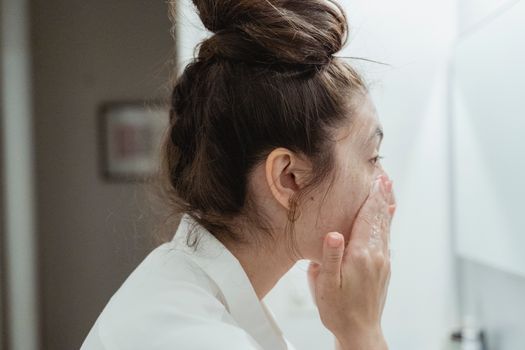
What causes acne
Acne starts in the hair follicle. Hormones (especially androgens) increase oil production, dead skin cells clog the pore, and the bacterium C. acnes triggers inflammation. Genetics, stress, some medications, heavy cosmetics and friction from masks or phones can contribute. Diet may play a role for some people, though evidence varies.
How a dermatologist diagnoses it
A dermatologist examines the type of lesions (comedones, papules, pustules, nodules or cysts), their distribution and any early scarring or post-inflammatory marks. They ask about skincare, medications and, for women, menstrual patterns. Look-alikes such as rosacea or fungal folliculitis are excluded.
Treatment options at The Heal Sinsa
Treatment is matched to severity. Options include prescription topicals and oral medication, acne extraction, acne injections for painful cysts, chemical peels and aqua peel. Laser or energy-based devices may help oil control and redness. Availability of specific devices varies by branch – confirm at consultation. Every plan starts with a 1:1 consultation with a Korean board-certified dermatologist and imaging-based skin analysis; you will not be pushed toward treatment you do not need. Pricing is confirmed after consultation; see pricing and payment.
Sessions, downtime & side effects
- Most medical plans need 6–12 weeks to show clear improvement
- Extraction and peels: usually every 2–4 weeks, minimal downtime
- Cyst injections often flatten lesions within a few days
- Side effects can include dryness, redness, temporary flare-ups or rare thinning at injection sites
Home care
Wash twice daily with a gentle cleanser, use non-comedogenic moisturiser and sunscreen, and avoid squeezing spots. Change pillowcases often and clean phone screens. Introduce actives such as benzoyl peroxide or adapalene gradually, and give any routine several weeks before judging it.
When to see a doctor
See a dermatologist if acne is painful, cystic, leaving marks or scars, not improving after two to three months of over-the-counter care, or affecting your confidence. Sudden severe acne in adults can also signal hormonal issues worth investigating.
Planning around your trip to Seoul
A visit can begin a plan and include in-clinic care, but acne usually needs ongoing treatment. Ask about medical records in English for your home doctor. The clinic is on the 7th floor of Sinsa Square near Sinsa Station, close to Garosu-gil (getting here), and English support is available on request (international patients).
Related
Frequently asked questions
How long does acne treatment take to work?
Most acne treatments need around 6 to 12 weeks before clear improvement, because new breakouts form deep in the pore weeks before they appear. In-clinic procedures can calm active spots faster, but consistent home treatment is still needed.
Can I get lasers if I take isotretinoin?
Many dermatologists postpone ablative lasers, deep peels and some procedures while you take isotretinoin and for a period afterwards because healing may be affected. Tell your dermatologist about any acne medication so they can plan safely.
Should I pop my pimples?
It is better not to. Squeezing can push inflammation deeper and increase the risk of dark marks and scars. Sterile extraction by trained staff or a cortisone injection for a painful cyst are safer options when a spot needs attention.
Diagnosed by Korean board-certified dermatologists
Skin conditions that look alike often need different treatments. At The Heal Dermatology, diagnosis is made by a dermatology specialist (피부과 전문의). Why board certification matters · Meet our doctors · All conditions · Treatments
Branches: Sinsa (Main) · Jamsil · Dongdaemun · Mapo-Gongdeok
This page is general medical information and does not replace an in-person consultation.