
Hair Loss Treatment in Seoul – Diagnosis by Board-Certified Dermatologists
Hair loss includes thinning, receding hairlines and shedding caused by genetics, hormones, stress, illness, nutritional issues or scalp conditions. At The Heal Dermatology Sinsa Main Branch in Gangnam, Seoul, board-certified dermatologists identify the type of hair loss through examination and tests, then recommend medical treatment and in-clinic options such as scalp injections.
Written by The Heal Dermatology medical content team · Pending review by a board-certified dermatologist · Updated October 2026
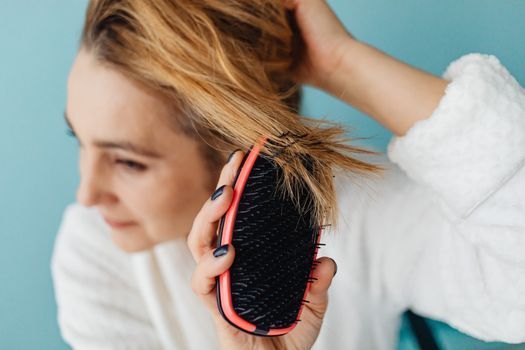
What causes hair loss
The most common type is androgenetic alopecia (male or female pattern hair loss), linked to genetics and hormones. Other causes include telogen effluvium after stress, illness, childbirth or rapid weight loss; alopecia areata (autoimmune patchy loss); thyroid problems; iron deficiency; tight hairstyles; and scalp conditions such as seborrheic dermatitis.
How a dermatologist diagnoses it
A dermatologist reviews your history, examines the pattern of loss, and uses trichoscopy (magnified scalp imaging) to look at hair density and follicle health. Blood tests may check iron, thyroid and other factors. A scalp biopsy is occasionally needed to confirm the diagnosis.
Treatment options at The Heal Sinsa
Treatment depends on the cause. Options include topical and oral medications for pattern hair loss, in-clinic hair loss treatment, PRP or exosome scalp injections, and treatment of any underlying scalp or medical condition. Alopecia areata may be treated with steroid injections. Availability of specific devices varies by branch – confirm at consultation. Every plan starts with a 1:1 consultation with a Korean board-certified dermatologist and imaging-based skin analysis; you will not be pushed toward treatment you do not need. Pricing is confirmed after consultation; see pricing and payment.
Sessions, downtime & side effects
- Medical treatment usually takes 3–6 months to show visible change
- Scalp injections are typically repeated monthly for several sessions
- Possible side effects include scalp tenderness, temporary shedding or irritation
- Some oral medicines are not suitable in pregnancy; your dermatologist will advise
Home care
Use a gentle shampoo, avoid tight hairstyles and harsh chemical treatments, and minimise heat styling. Eat a balanced diet with enough protein and iron, manage stress, and be patient: hair grows slowly, so treatments need months to judge.
When to see a doctor
See a dermatologist if you notice sudden or patchy hair loss, rapid thinning, scalp pain, itching or scaling, or if hair loss runs in your family and you want to start early. Early treatment generally preserves more hair.
Planning around your trip to Seoul
Hair loss treatment is long term, so a Seoul visit can start a plan; ask about follow-up after returning home and men's dermatology in Seoul. The clinic is on the 7th floor of Sinsa Square near Sinsa Station, close to Garosu-gil (getting here), and English support is available on request (international patients).
Related
Frequently asked questions
Can hair loss be reversed?
It depends on the cause. Shedding from stress or illness often recovers on its own. Pattern hair loss can be slowed and partly reversed with treatment, especially when started early. Scarring alopecia is harder to reverse, which is why early diagnosis matters.
Do PRP or exosome injections work for hair loss?
PRP has evidence supporting modest improvement in some people with pattern hair loss, usually alongside medication. Evidence for exosomes is still developing. A dermatologist can explain realistic expectations and whether these options suit your situation.
How long until I see results?
Hair growth is slow, so most treatments need at least three to six months before changes are visible, and around a year for full effect. Stopping treatment usually leads to gradual return of hair loss in pattern alopecia.
Diagnosed by Korean board-certified dermatologists
Skin conditions that look alike often need different treatments. At The Heal Dermatology, diagnosis is made by a dermatology specialist (피부과 전문의). Why board certification matters · Meet our doctors · All conditions · Treatments
Branches: Sinsa (Main) · Jamsil · Dongdaemun · Mapo-Gongdeok
This page is general medical information and does not replace an in-person consultation.