
Mole Check and Removal in Seoul – Diagnosis by Board-Certified Dermatologists
Moles (melanocytic nevi) are common pigmented spots formed by clusters of pigment cells; most are harmless, but changes can signal melanoma. At The Heal Dermatology Sinsa Main Branch in Gangnam, Seoul, board-certified dermatologists examine moles with dermoscopy, advise on any that need testing, and remove benign moles for cosmetic reasons using laser or excision.
Written by The Heal Dermatology medical content team · Pending review by a board-certified dermatologist · Updated October 2026
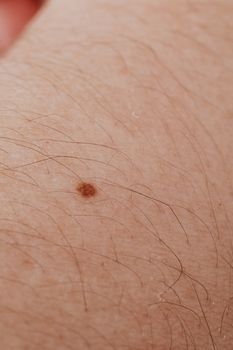
What causes moles
Most moles appear in childhood and young adulthood and are influenced by genetics and sun exposure. People with many moles, atypical moles, fair skin, a history of sunburn or a family history of melanoma have a higher skin cancer risk and benefit from regular checks.
How a dermatologist diagnoses it
A dermatologist examines each mole with a dermatoscope, looking for asymmetry, irregular borders, multiple colours, larger size and recent change (the ABCDE signs). Suspicious lesions are biopsied or fully excised for laboratory testing rather than removed by laser. Benign moles are distinguished from seborrheic keratosis, freckles and sun spots.
Treatment options at The Heal Sinsa
Benign moles can be removed by mole removal with CO2 laser for small, flat lesions, or surgical excision for larger or raised moles, which also allows pathology testing. The method is chosen to balance safety and appearance. Availability of specific devices varies by branch – confirm at consultation. Every plan starts with a 1:1 consultation with a Korean board-certified dermatologist and imaging-based skin analysis; you will not be pushed toward treatment you do not need. Pricing is confirmed after consultation; see pricing and payment.
Sessions, downtime & side effects
- Laser removal: small scab for about 7–10 days; deeper moles may need more than one session
- Excision: stitches typically removed after 5–14 days depending on site
- A small mark or scar may remain; redness fades over weeks to months
- Some moles can recur after laser removal and may need re-treatment
Home care
Check your skin monthly for new or changing moles, use sunscreen and protective clothing, and avoid tanning beds. After removal, keep the area clean and covered as advised and protect it from the sun to reduce darkening of the mark.
When to see a doctor
See a dermatologist promptly if a mole changes in size, shape or colour, becomes itchy, bleeds, crusts, or looks different from your other moles. New dark spots appearing after age 30 should also be checked.
Planning around your trip to Seoul
Laser mole removal leaves a small scab for about a week, so schedule it early; our treatment before your flight guide helps with timing. The clinic is on the 7th floor of Sinsa Square near Sinsa Station, close to Garosu-gil (getting here), and English support is available on request (international patients).
Related
Frequently asked questions
How do I know if a mole is dangerous?
Warning signs include asymmetry, irregular borders, several colours, a diameter larger than about six millimetres, and any change over time. Itching or bleeding also matters. A dermatologist can examine moles with dermoscopy and advise if testing is needed.
Can all moles be removed by laser?
No. Laser suits small, flat, clearly benign moles. Moles with any suspicious features should be excised and sent for laboratory testing, because laser destroys the tissue and prevents diagnosis. Your dermatologist will choose the safest method.
Will mole removal leave a scar?
Most removals leave a small mark that fades over time, though some scarring is possible, especially with deeper or larger moles or on the chest and back. Careful aftercare and sun protection help the mark heal well.
Diagnosed by Korean board-certified dermatologists
Skin conditions that look alike often need different treatments. At The Heal Dermatology, diagnosis is made by a dermatology specialist (피부과 전문의). Why board certification matters · Meet our doctors · All conditions · Treatments
Branches: Sinsa (Main) · Jamsil · Dongdaemun · Mapo-Gongdeok
This page is general medical information and does not replace an in-person consultation.