
Thermage FLX Skin Tightening in Seoul
Thermage FLX is a monopolar radiofrequency treatment that heats the deeper skin layers to tighten loose skin and stimulate collagen, typically in a single session with minimal downtime. At The Heal Dermatology Sinsa Main Branch in Gangnam, Seoul, board-certified dermatologists compare Thermage FLX with other RF lifting options for your skin.
Written by The Heal Dermatology medical content team · Pending review by a board-certified dermatologist · Updated October 2026
How it works
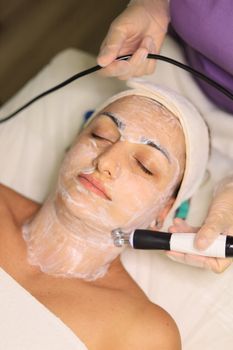
A monopolar radiofrequency tip delivers volumetric heat to the dermis and fibrous septae while the surface is cooled and protected. Heat contracts existing collagen and starts a healing response that builds new collagen over months. Eye tips are available for the delicate eyelid area.
Who it's for
It is generally considered for mild to moderate sagging skin, softening jawline, crepey texture and early jowls. It does not replace surgery for advanced laxity.
What to expect at The Heal Sinsa
Every visit to The Heal Dermatology Sinsa Main Branch, on the 7th floor of Sinsa Square near Sinsa Station, starts with a 1:1 consultation with a Korean board-certified dermatologist and imaging-based skin analysis. Your doctor checks whether Thermage FLX actually suits your concern, explains alternatives honestly, and chooses conservative settings. Treatment is done in a private single room, and English or Traditional Chinese support is available on request. Before your visit, note your current medicines, skincare products, allergies and previous procedures so the doctor can plan safely. Pricing is confirmed after consultation; see pricing and payment. Availability of specific devices varies by branch – confirm at consultation.
Sessions & downtime
- Sessions: typically 1, often repeated about every 12 months
- Treatment time: about 45–90 minutes
- Comfort: numbing cream; pulses of deep heat with cooling
- Downtime: slight redness or swelling for hours to a day
- Results: gradual tightening over about 2–6 months
Risks & who should avoid
Possible effects include redness, swelling, tenderness and rarely burns, blisters, contour irregularity or temporary numbness. Avoid during pregnancy, with an implanted electronic device, metal in the treatment area, active infection or skin disease, or very recent fillers without guidance. If you notice increasing pain, spreading redness, blistering, discharge or fever after treatment, contact the clinic promptly and read what to do if complications occur.
Planning around your trip to Seoul
Minimal downtime means Thermage FLX can be done early in a trip followed by normal sightseeing. Combining with other treatments the same day should be discussed with your doctor. Read treatment before a flight and how many days to plan, and visit international patients or getting here before you book.
Related
Frequently asked questions
How many Thermage FLX sessions do I need?
Most people have a single session, with many repeating about yearly for maintenance. Results depend on age, skin quality and the amount of laxity, and continued ageing means results are not permanent.
When will I see results after Thermage FLX?
Some tightening may be noticed soon after treatment, but collagen remodelling develops over roughly two to six months. Your dermatologist may review standardised photos at follow-up to assess the change objectively.
Can Thermage FLX be combined with Ulthera?
Some people combine radiofrequency and ultrasound treatments because they act at different depths. Whether this is appropriate, and the order and timing, depends on your skin and is decided at consultation.
Treated by Korean board-certified dermatologists
At The Heal Dermatology, every consultation and procedure is performed or directly supervised by a dermatology specialist (피부과 전문의). Why board certification matters · Meet our doctors · International patient guide · All treatments
Branches: Sinsa (Main) · Jamsil · Dongdaemun · Mapo-Gongdeok
This page is general medical information and does not replace an in-person consultation. Suitability, number of sessions and results vary by individual.