
Subcision for Acne Scars in Gangnam, Seoul
Subcision is a minor procedure that uses a fine needle or cannula under the skin to release fibrous bands pulling depressed scars down, allowing rolling acne scars to lift as new collagen forms. At The Heal Dermatology Sinsa Main Branch in Gangnam, Seoul, a board-certified dermatologist maps scar types and often combines subcision with lasers or injectables.
Written by The Heal Dermatology medical content team · Pending review by a board-certified dermatologist · Updated October 2026
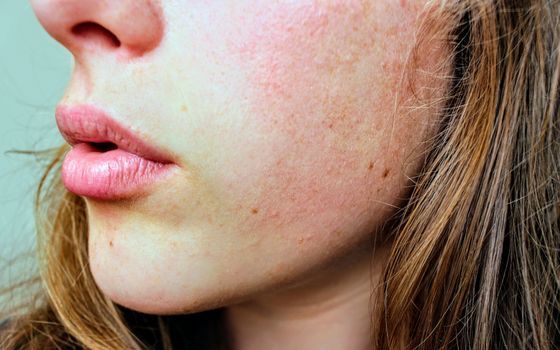
How it works
Subcision is a minor procedure for depressed scars, particularly rolling acne scars. After local anaesthetic, the doctor inserts a fine needle or blunt cannula under the scar and moves it gently to release the fibrous bands that tether the scar down to deeper tissue. Once released, the skin can lift, and controlled healing builds new collagen under the area. Subcision is often combined with other treatments, such as fractional lasers, microneedling radiofrequency, or collagen-stimulating injectables, for better overall results.
Who it's for
It is typically suited to adults with rolling or some boxcar acne scars, or other tethered depressed scars. Ice-pick scars usually respond better to other techniques. Active acne should generally be controlled first. Raised scars such as keloids and hypertrophic scars are not treated with subcision.
What to expect at The Heal Sinsa
At The Heal Dermatology Sinsa Main Branch, near Sinsa Station and Garosu-gil in Gangnam, your consultation and treatment are carried out 1:1 by a Korean board-certified dermatologist. The dermatologist maps your scar types under angled lighting, explains which respond to subcision, and plans a combination approach and session timing. We aim for honest recommendations without overselling, use genuine full-dose products, and treat in private single rooms. English and Traditional Chinese support is available on request. Pricing is confirmed after consultation; see pricing and payment.
Sessions & downtime
- Sessions: commonly 1–3 sessions spaced about 4–8 weeks apart
- Procedure time: around 20–45 minutes depending on area
- Anaesthesia: local anaesthetic injection or numbing
- Results: gradual improvement over several weeks to months as collagen forms
- Downtime: bruising and swelling typically for about 5–10 days
- Aftercare: gentle skincare, sun protection; avoid saunas, alcohol and strenuous exercise for a few days
Risks & who should avoid
Common effects include bruising, swelling and tenderness. Less commonly, lumps, infection, or post-inflammatory hyperpigmentation can occur. Results vary, and scars are usually improved rather than removed. Subcision is generally avoided during pregnancy, with active acne or infection in the area, bleeding disorders, or a tendency to keloids. Tell the doctor about blood thinners and recent isotretinoin use.
Planning around your trip to Seoul
Because bruising can last a week or more, plan subcision at the start of a longer stay and avoid important photos soon after. See the downtime guide. See international patients and getting here for practical details.
Related
Frequently asked questions
Which acne scars respond to subcision?
Rolling scars, which look like soft undulations, usually respond well because they are tethered by fibrous bands. Some boxcar scars also improve. Narrow ice-pick scars generally need other techniques, so most people benefit from a combined plan.
How long is the downtime after subcision?
Bruising and swelling are common and typically last around five to ten days, depending on the area treated and your skin. Most people can return to desk work within a day or two, using concealer once small entry points have closed.
How many subcision sessions will I need?
Many people need one to three sessions spaced several weeks apart, often alongside lasers or other treatments. The number depends on scar depth, type and how your skin responds. The dermatologist reviews progress before each session.
Treated by Korean board-certified dermatologists
At The Heal Dermatology, every consultation and procedure is performed or directly supervised by a dermatology specialist (피부과 전문의). Why board certification matters · Meet our doctors · International patient guide · All treatments
Branches: Sinsa (Main) · Jamsil · Dongdaemun · Mapo-Gongdeok
This page is general medical information and does not replace an in-person consultation. Suitability, number of sessions and results vary by individual.