
PRP Skin Treatment in Gangnam, Seoul
PRP for skin uses platelet-rich plasma prepared from your own blood, injected or applied after microneedling, to support skin repair, texture and glow through natural growth factors. At The Heal Dermatology Sinsa Main Branch in Gangnam, Seoul, a board-certified dermatologist explains realistic expectations and whether PRP suits your skin goals.
Written by The Heal Dermatology medical content team · Pending review by a board-certified dermatologist · Updated October 2026
How it works
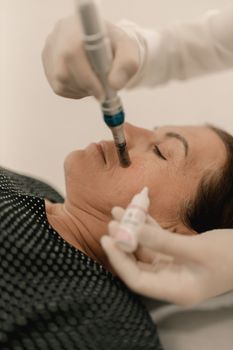
PRP (platelet-rich plasma) for skin uses a small sample of your own blood, which is spun in a centrifuge to concentrate the platelets. Platelets contain growth factors involved in tissue repair. The concentrated plasma is then injected into the skin or applied after microneedling or fractional laser, with the aim of supporting healing, collagen production, and skin quality. Because it comes from your own body, allergic reactions to the material itself are very unlikely.
Who it's for
It is typically considered by adults with dull skin, fine lines, mild acne scars, under-eye texture, or those wanting to support recovery after resurfacing procedures. Evidence is generally supportive but varies between studies and preparation methods, so results tend to be subtle and gradual.
What to expect at The Heal Sinsa
At The Heal Dermatology Sinsa Main Branch, near Sinsa Station and Garosu-gil in Gangnam, your consultation and treatment are carried out 1:1 by a Korean board-certified dermatologist. The dermatologist explains realistic expectations, how PRP compares with skin boosters such as Rejuran, and whether combining it with microneedling or lasers suits you. Availability of specific devices and products varies by branch – confirm at consultation. We aim for honest recommendations without overselling, use genuine full-dose products, and treat in private single rooms. English and Traditional Chinese support is available on request. Pricing is confirmed after consultation; see pricing and payment.
Sessions & downtime
- Sessions: commonly 2–4 treatments about 4 weeks apart
- Procedure time: around 45–60 minutes including blood draw and preparation
- Results: gradual improvement over several weeks
- Downtime: redness, mild swelling and small bumps for about 1–3 days
- Bruising: possible at injection sites and the blood draw site
- Aftercare: avoid makeup for about 12–24 hours, and saunas, alcohol and intense exercise for a day or two
Risks & who should avoid
Common effects include redness, swelling, tenderness and bruising. Infection is rare when sterile technique is used. PRP is generally avoided in people with blood or platelet disorders, active cancer, active skin infection, or who are on anticoagulants, and during pregnancy. Tell the doctor about anti-inflammatory painkillers, which may need to be paused if medically safe.
Planning around your trip to Seoul
PRP fits into a short stay if you allow a day or two for redness. Hydrate well before the blood draw. For combining with other treatments see combining treatments in one trip. See international patients and getting here for practical details.
Related
Frequently asked questions
Is PRP safe?
Because PRP is made from your own blood, allergic reactions to it are very unlikely. Side effects are usually limited to redness, swelling and bruising. It is not suitable for people with certain blood disorders, active cancer or those on anticoagulants.
How many PRP sessions are needed for skin?
A common plan is two to four sessions about a month apart, followed by maintenance if desired. The number depends on your concerns and how your skin responds, which the dermatologist reviews at each visit.
Is PRP better than skin boosters?
Neither is universally better. PRP uses your own growth factors, while products such as Rejuran or hyaluronic acid boosters have more standardised formulations. The dermatologist recommends an option, or a combination, based on your skin and goals.
Treated by Korean board-certified dermatologists
At The Heal Dermatology, every consultation and procedure is performed or directly supervised by a dermatology specialist (피부과 전문의). Why board certification matters · Meet our doctors · International patient guide · All treatments
Branches: Sinsa (Main) · Jamsil · Dongdaemun · Mapo-Gongdeok
This page is general medical information and does not replace an in-person consultation. Suitability, number of sessions and results vary by individual.