
Chemical Peels in Gangnam, Seoul by Board-Certified Dermatologists
A chemical peel is a treatment in which an acid solution is applied to the skin to exfoliate damaged outer layers and encourage renewal, helping acne, dullness and uneven tone. At The Heal Dermatology Sinsa Main Branch in Gangnam, Seoul, a board-certified dermatologist selects the peel agent and strength to suit your skin type and sensitivity.
Written by The Heal Dermatology medical content team · Pending review by a board-certified dermatologist · Updated October 2026
How it works
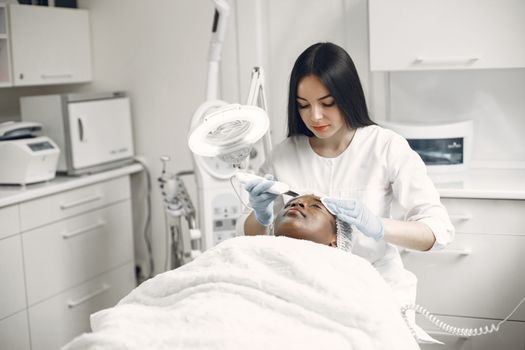
A chemical peel applies an acid solution to the skin to remove damaged outer layers in a controlled way and encourage renewal. Superficial peels use agents such as glycolic acid, lactic acid or salicylic acid and mainly exfoliate the outermost layer. Medium-depth peels, often with trichloroacetic acid (TCA), reach deeper and have more downtime. In dermatology clinics, superficial to light peels are most common and can be repeated in a series.
Who it's for
Peels are typically considered for acne and clogged pores, dull skin, uneven tone, mild post-inflammatory hyperpigmentation, and fine texture irregularities. Salicylic acid peels suit oily, acne-prone skin, while gentler options suit sensitive skin. People with darker skin tones need careful agent selection to reduce pigmentation risk.
What to expect at The Heal Sinsa
At The Heal Dermatology Sinsa Main Branch, near Sinsa Station and Garosu-gil in Gangnam, your consultation and treatment are carried out 1:1 by a Korean board-certified dermatologist. The dermatologist assesses your skin type, sensitivity and concerns, chooses the peel agent and strength, and explains preparation such as pausing retinoids beforehand. We aim for honest recommendations without overselling, use genuine full-dose products, and treat in private single rooms. English and Traditional Chinese support is available on request. Pricing is confirmed after consultation; see pricing and payment.
Sessions & downtime
- Sessions: commonly a series of 3–6 superficial peels about 2–4 weeks apart
- Procedure time: around 15–30 minutes
- Sensation: tingling or stinging during application
- Downtime: superficial peels cause mild redness and light flaking for a few days
- Medium peels: peeling and redness may last about 5–7 days or longer
- Aftercare: gentle cleanser, moisturiser, strict sunscreen; avoid scrubs and retinoids for several days
Risks & who should avoid
Possible effects include redness, stinging, dryness, flaking and, less commonly, irritation, cold sore flare-ups, or post-inflammatory hyperpigmentation, especially with sun exposure. Scarring is rare with superficial peels. Peels are generally avoided during pregnancy for certain agents, with active infection or open wounds, recent isotretinoin use, or active eczema in the area. See isotretinoin and procedures.
Planning around your trip to Seoul
Superficial peels fit easily into a short stay, but avoid strong sun and beach days straight afterwards. See sunscreen after treatment. See international patients and getting here for practical details.
Related
Frequently asked questions
Does a chemical peel hurt?
Most superficial peels cause tingling or mild stinging for a few minutes while the solution is on the skin. Deeper peels feel more intense. The dermatologist adjusts strength and timing to your tolerance and neutralises or removes the solution as needed.
How much peeling will I have?
With superficial peels, many people have only mild redness and light flaking for a few days, and some see little visible peeling. Medium-depth peels cause more noticeable peeling for about a week. Avoid picking flakes to reduce irritation.
Are chemical peels safe for darker skin?
Many superficial peels can be used on darker skin, but the risk of post-inflammatory hyperpigmentation is higher. Careful agent choice, conservative strength, skin preparation and strict sun protection help. See dark skin safety for related advice.
Treated by Korean board-certified dermatologists
At The Heal Dermatology, every consultation and procedure is performed or directly supervised by a dermatology specialist (피부과 전문의). Why board certification matters · Meet our doctors · International patient guide · All treatments
Branches: Sinsa (Main) · Jamsil · Dongdaemun · Mapo-Gongdeok
This page is general medical information and does not replace an in-person consultation. Suitability, number of sessions and results vary by individual.