
How to Verify a Korean Board-Certified Dermatologist in Seoul
In Korea, only a dermatology specialist (피부과 전문의) may name a clinic "OO피부과의원"; other clinics must list dermatology as a 진료과목 instead. Ask for the doctor's name and specialist status before booking. At The Heal Dermatology Sinsa Main Branch in Gangnam, Seoul, all treating doctors are Korean board-certified dermatologists.
Written by The Heal Dermatology medical content team · Pending review by a board-certified dermatologist · Updated October 2026
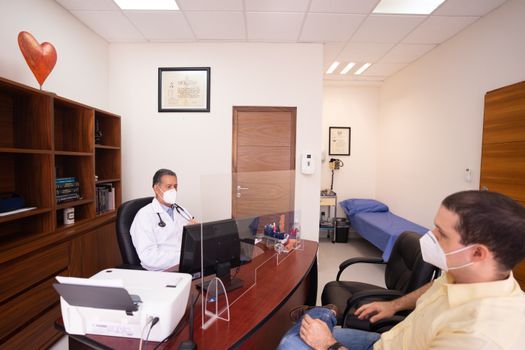
Why the title matters
In Korea, a 피부과 전문의 (dermatology specialist) is a doctor who completed medical school, an internship and a multi-year dermatology residency, then passed the specialist board examination. Many clinics offering skin treatments are run by doctors trained in other fields. That is legal, but the depth of training in skin disease, lasers and complications differs.
How to check, step by step
- Read the clinic name. Korean rules allow only a dermatology specialist clinic to be named "OO피부과의원" (dermatology clinic). Other clinics typically use names like "OO의원" or "OO스킨클리닉" and must show "진료과목: 피부과" (dermatology as a listed department), sometimes in small print.
- Ask for the treating doctor's full name and whether they are a dermatology specialist (피부과 전문의), not only whether the clinic "does dermatology".
- Look for the specialist certificate, often displayed in the clinic or on the doctor's profile page.
- Check the doctor's training history: where they completed dermatology residency is a useful sign.
- Confirm the same doctor will see you at consultation and treatment.
Questions to ask by message
"Who will examine me and perform my treatment? Are they a board-certified dermatologist? Can you share their profile?" A transparent clinic will answer directly. Vague answers, or a coordinator who cannot name the doctor, are a reason to keep looking.
What to expect at The Heal Sinsa
All treating doctors at The Heal Dermatology Sinsa Main Branch are Korean board-certified dermatologists. The branch is led by Representative Director Dr. Park Ju-hyuk. Dr. Yang Jeong-hwa, MD, a board-certified dermatologist and director at the Sinsa Main Branch, graduated from Seoul National University College of Medicine, interned at Seoul National University Hospital and completed dermatology specialist training at Kangbuk Samsung Hospital. You can meet the team on our board-certified dermatologists page.
Key facts
- Specialist = completed dermatology residency and board exam.
- "Dermatology" listed as a department does not by itself mean the doctor is a specialist.
- Ask for the doctor's name before you book.
Planning around your trip to Seoul
Verify credentials before you arrive so you are not making decisions under time pressure. Combine this with the broader clinic selection checklist.
Related
Frequently asked questions
What does 피부과 전문의 mean?
It means dermatology specialist: a doctor who completed a dermatology residency after medical school and internship and passed the Korean specialist board examination. It is the Korean equivalent of a board-certified dermatologist.
Does "진료과목 피부과" mean the doctor is a dermatologist?
Not necessarily. It means dermatology is listed as a treatment department. The doctor may be a specialist in another field or a general practitioner. Ask directly whether the treating doctor is a dermatology specialist.
Are all doctors at The Heal Sinsa dermatologists?
Yes. All treating doctors at The Heal Dermatology Sinsa Main Branch are Korean board-certified dermatologists, led by Representative Director Dr. Park Ju-hyuk. You can read about their training on the board-certified dermatologists page before booking.
Planning skin treatment in Seoul?
The Heal Dermatology Sinsa Main Branch is led by Korean board-certified dermatologists. International patient guide · All patient guides · Treatments · Our doctors
Branches: Sinsa (Main) · Jamsil · Dongdaemun · Mapo-Gongdeok
General information only; it does not replace a consultation with a dermatologist.