
What Is Imaging-Based Skin Analysis at a Seoul Dermatologist?
Imaging-based skin analysis uses standardised photos under different light to show pigmentation, redness, pores and texture beyond what the eye sees, helping plan and track treatment. At The Heal Dermatology Sinsa Main Branch in Gangnam, Seoul, Mark-Vu type imaging supports, but never replaces, a board-certified dermatologist's examination.
Written by The Heal Dermatology medical content team · Pending review by a board-certified dermatologist · Updated October 2026
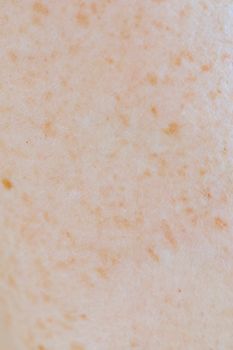
What imaging-based skin analysis is
Many Korean dermatology clinics use facial imaging systems that capture standardised photos under different light settings, such as normal, polarised and UV light. These images highlight features that are hard to see with the naked eye, including deeper pigmentation, redness from blood vessels, pore size, texture and sometimes bacterial activity associated with acne.
What it can help with
- Showing the pattern and depth of pigmentation, such as melasma versus sun spots.
- Mapping redness and visible blood vessels.
- Documenting pores, texture and wrinkles.
- Creating a baseline to compare progress across sessions.
- Helping you understand the reasoning behind a treatment plan.
What it cannot do
Imaging does not diagnose skin conditions on its own, and scores generated by software are not medical diagnoses. Lighting, makeup and recent treatments affect images. A dermatologist's examination, history and clinical judgement remain essential, especially for moles or unusual lesions.
What to expect at The Heal Sinsa
At The Heal Dermatology Sinsa Main Branch, Mark-Vu type imaging-based skin analysis is part of the consultation. A board-certified dermatologist reviews the images with you, explains what they show and uses them alongside a direct skin examination to plan treatment. Follow-up images help track progress if you return. Pricing is confirmed after consultation; see pricing and payment.
Key facts
- Takes a few minutes; you sit with your face in the device.
- Arrive with clean skin or remove makeup at the clinic.
- Images are part of your medical record.
Who it is useful for
Skin imaging is particularly helpful for pigment concerns like melasma and freckles, for redness and rosacea, and for tracking pores and texture over time.
Planning around your trip to Seoul
If you are visiting repeatedly, imaging at each visit can make progress easier to see. Ask whether you can receive copies for your records. See what happens at a first visit.
Questions to ask
Ask what the images show about your main concern, which findings matter clinically, how treatment will change what you see, and when follow-up imaging would be useful.
Related
Frequently asked questions
Is skin analysis a diagnosis?
No. Imaging helps visualise features like pigment and redness, but a diagnosis comes from a dermatologist's examination and history. Software scores are a guide, not a medical conclusion. It supports examination.
Do I need to remove makeup for skin analysis?
Yes, for accurate images the skin should be clean. Clinics usually provide cleansing facilities, and you can reapply makeup afterwards if you are not having treatment that day. Arrive early if needed.
Can I get copies of my skin images?
Many clinics can provide images or a summary on request. Ask at your visit, particularly if you plan to continue treatment at home or return to Seoul later. Some fees may apply.
Planning skin treatment in Seoul?
The Heal Dermatology Sinsa Main Branch is led by Korean board-certified dermatologists. International patient guide · All patient guides · Treatments · Our doctors
Branches: Sinsa (Main) · Jamsil · Dongdaemun · Mapo-Gongdeok
General information only; it does not replace a consultation with a dermatologist.