
Hives (Urticaria) Treatment in Seoul – Diagnosis by Board-Certified Dermatologists
Urticaria, or hives, is an itchy rash of raised, red or skin-coloured welts that appear suddenly and usually fade within 24 hours, sometimes with swelling of the lips or eyelids. At The Heal Dermatology Sinsa Main Branch in Gangnam, Seoul, board-certified dermatologists look for triggers, distinguish acute from chronic hives and prescribe treatment to control symptoms.
Written by The Heal Dermatology medical content team · Pending review by a board-certified dermatologist · Updated October 2026
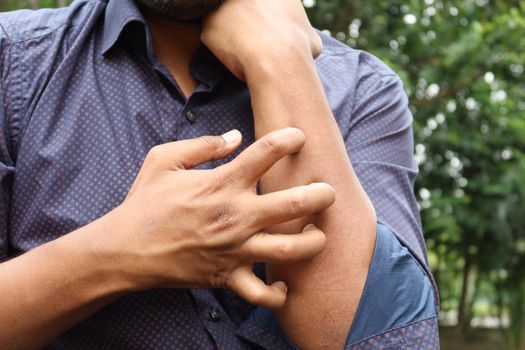
What causes urticaria (hives)
Hives occur when mast cells in the skin release histamine. Acute hives can be triggered by infections, foods, medications such as NSAIDs or antibiotics, and insect stings. Chronic hives, lasting more than six weeks, are often spontaneous with no single external cause and may be linked to autoimmune factors. Pressure, cold, heat, sweating and sunlight can trigger physical urticaria.
How a dermatologist diagnoses it
Diagnosis is mostly clinical, based on history and appearance. A dermatologist asks about timing, foods, medications, infections and physical triggers, and may suggest blood tests for chronic cases. Welts lasting over 24 hours or leaving bruising may need further tests to exclude urticarial vasculitis. Eczema and contact reactions are also considered.
Treatment options at The Heal Sinsa
First-line treatment is non-sedating antihistamines, sometimes at higher doses under medical guidance. Short courses of other medicines may be used for severe flares, and chronic spontaneous urticaria may need advanced treatment with referral where appropriate. Cosmetic procedures are usually postponed until hives are controlled. Every plan starts with a 1:1 consultation with a Korean board-certified dermatologist and imaging-based skin analysis; you will not be pushed toward treatment you do not need. Pricing is confirmed after consultation; see pricing and payment.
Sessions, downtime & side effects
- Acute hives often settle within days to a few weeks
- Chronic hives can last months, but most improve over time
- Antihistamines are generally well tolerated; some may cause drowsiness
- Keep a symptom diary to help identify triggers
Home care
Take antihistamines as prescribed, avoid known triggers, wear loose cotton clothing and use cool compresses for itch. Avoid hot showers, alcohol and NSAIDs if they worsen symptoms, unless advised otherwise by your doctor.
When to see a doctor
Seek emergency care immediately if hives come with swelling of the tongue or throat, difficulty breathing, dizziness or vomiting, as this may be anaphylaxis. See a dermatologist if hives last more than a few days, keep returning or disturb sleep.
Planning around your trip to Seoul
If you have a history of hives, bring your antihistamines and a list of medications when travelling. Our guide to complications and what to do covers urgent situations. The clinic is on the 7th floor of Sinsa Square near Sinsa Station, close to Garosu-gil (getting here), and English support is available on request (international patients).
Related
Frequently asked questions
What is the difference between acute and chronic hives?
Acute hives last less than six weeks and often have an identifiable trigger such as an infection, food or medication. Chronic hives last longer than six weeks and are frequently spontaneous. Both usually respond to antihistamines.
Are hives an allergy?
Sometimes. Foods, medications and insect stings can cause allergic hives, but many cases, especially chronic ones, are not caused by a specific allergy. Infections, physical triggers and immune factors also play a role.
When are hives an emergency?
Hives become an emergency if they occur with throat or tongue swelling, difficulty breathing, wheezing, fainting or vomiting. These may signal anaphylaxis. Call emergency services or go to the nearest emergency department immediately.
Diagnosed by Korean board-certified dermatologists
Skin conditions that look alike often need different treatments. At The Heal Dermatology, diagnosis is made by a dermatology specialist (피부과 전문의). Why board certification matters · Meet our doctors · All conditions · Treatments
Branches: Sinsa (Main) · Jamsil · Dongdaemun · Mapo-Gongdeok
This page is general medical information and does not replace an in-person consultation.